Leading & Following Without Force
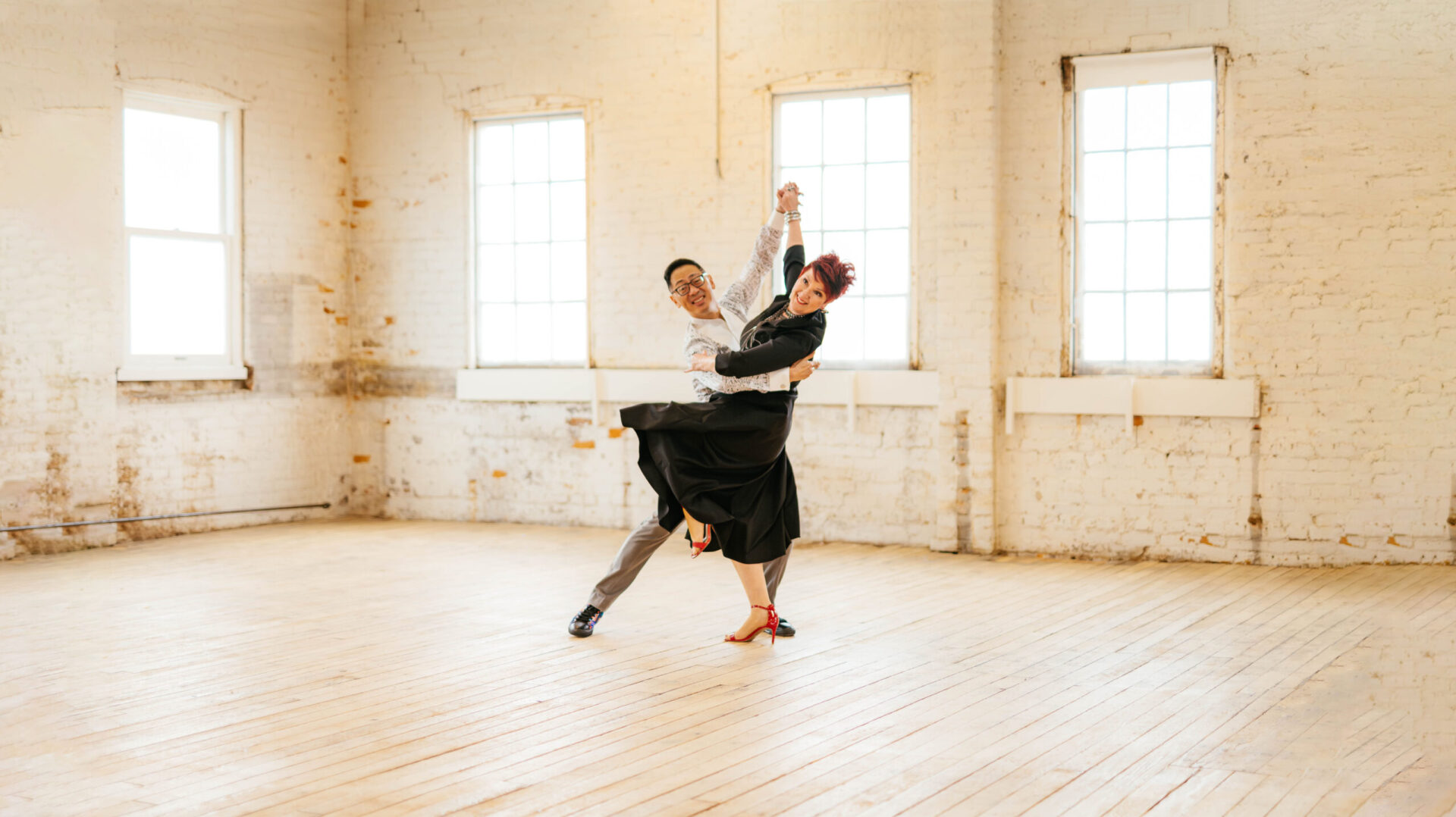
Most people think leading means controland following means compliance. That belief alone is what makes partner dancing feel tense. True partnership doesn’t come from pushing, …
Most people think leading means controland following means compliance. That belief alone is what makes partner dancing feel tense. True partnership doesn’t come from pushing, …
Why some learning happens before we think — and why timing matters more than technique Most people assume learning happens in a simple order: Understand …
Across many domains of learning — dance, sport, music, and even communication — a familiar pattern appears. A learner understands the instruction.They can describe what …
Why we’re exhausted—and what ancient cultures already knew We wake to alarms. We schedule meetings in 30-minute blocks. We eat lunch at noon because that’s …
Most learning systems assume the same sequence: Explain → Practice → Improve But the body doesn’t work that way. Before understanding can land, something more …
Some understanding cannot be explained into existence. It has to be felt. We live in a culture that privileges explanation. If something isn’t working, we …
Many people don’t stop exercising because they’re lazy. They stop because it feels like punishment. The body resists.Motivation fades.Consistency becomes something to force rather than …
Once people recognize they’re out of rhythm, a new question quietly appears: “So how do I feel rhythm again?” Most assume the answer will be …
It sounds counterintuitive. If you want personal attention, wouldn’t private lessons be the fastest way to improve? Sometimes, yes. But when it comes to confidence, …
Failure usually feels loud. But misalignment is quiet. It shows up as effort without momentum. As doing all the right things, yet feeling slightly off. …