
Many people don’t stop exercising because they’re lazy.
They stop because it feels like punishment.
The body resists.
Motivation fades.
Consistency becomes something to force rather than something that flows.
Eventually, people say things like:
“I know I should work out… I just can’t make myself do it anymore.”
But the issue usually isn’t discipline.
It’s rhythm.
Effort Is Not the Same as Energy
Most fitness systems are built around effort.
More intensity.
More reps.
More tracking.
More pressure.
Effort can produce short-term results—but it rarely produces sustainability.
Energy works differently.
Energy organizes itself through rhythm:
through breath, timing, recovery, and flow.
When rhythm is ignored, effort becomes exhausting.
When rhythm leads, effort becomes efficient.
Why Fitness So Often Fails
Many fitness programs treat the body like a machine.
Input effort.
Output results.
But the body is a living system.
It responds to coordination before it responds to force.
When movement is disconnected from rhythm:
- breathing becomes shallow
- tension accumulates
- motivation collapses
People don’t quit because they don’t care.
They quit because the system doesn’t support how humans actually move.
Rhythm Restores Sustainability
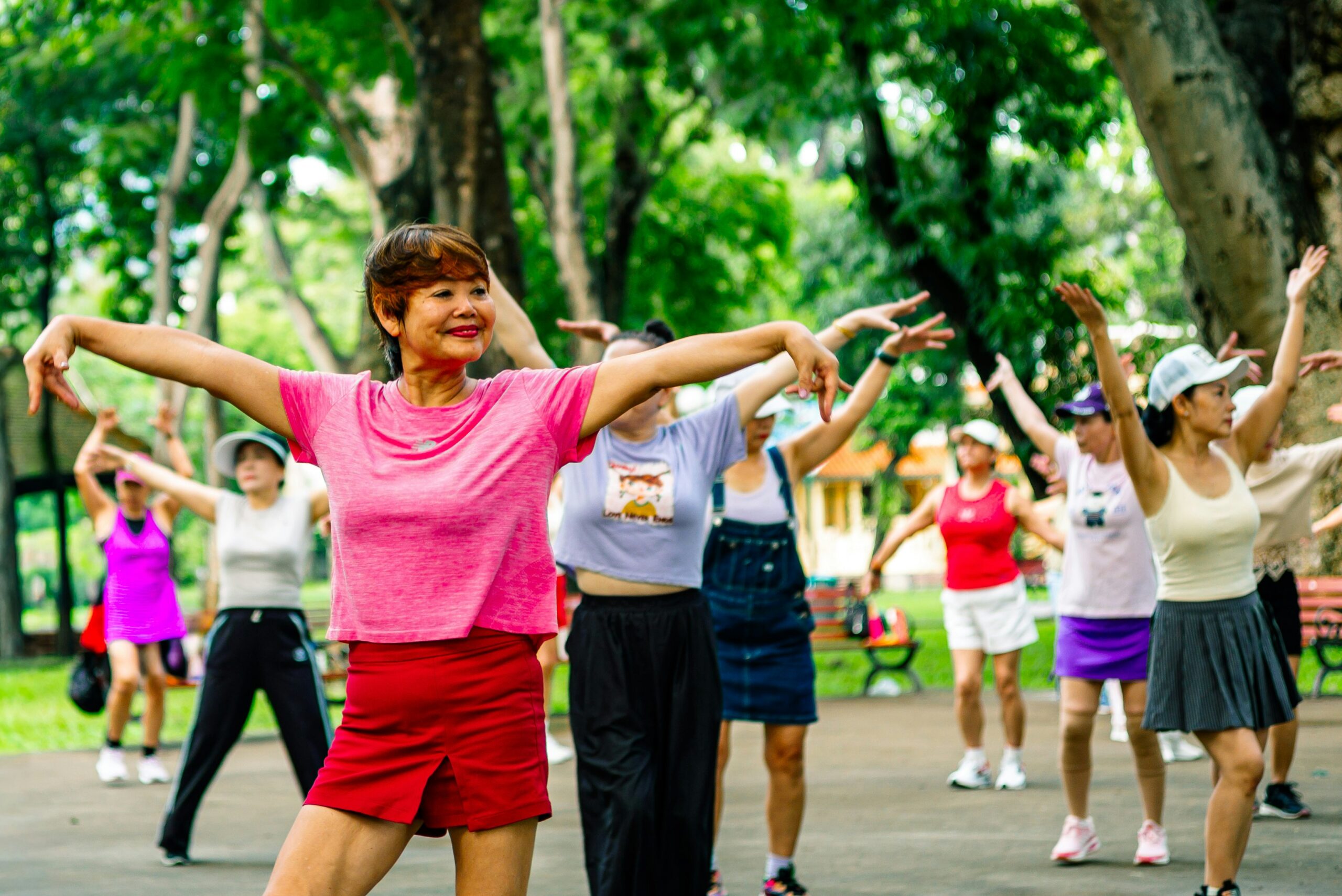
When fitness is taught Rhythm First, something shifts.
Movement organizes itself.
Breath and motion begin to cooperate.
Energy circulates instead of being burned out.
People stop asking:
“How hard should I push?”
And start noticing:
“This feels doable.”
That feeling is not weakness.
It’s intelligence.
Cardio and Flow Are Not Opposites
Many people separate fitness into categories:
- cardio for strength
- flow for calm
But rhythm integrates both.
Rhythmic cardio builds stamina without shock.
Flow-based movement restores internal coordination.
Together, they create resilience—not exhaustion.
That’s why rhythm-based fitness often surprises people.
They leave feeling energized instead of depleted.
Clear instead of foggy.
Grounded instead of wired.
The Nervous System Matters More Than Willpower
Sustainable fitness isn’t about convincing yourself to try harder.
It’s about creating conditions where the nervous system feels safe enough to engage.
Rhythm does that.
It signals:
- you’re not under threat
- you don’t need to rush
- you can move and recover at the same time
When the nervous system settles, consistency stops being a struggle.
Why Movement Needs to Feel Human Again
Exercise wasn’t meant to feel like correction.
For most of human history, movement was rhythmic:
walking, lifting, carrying, dancing, breathing.
Fitness worked because it was embedded in life.
Rhythm-based movement doesn’t add something artificial back in.
It restores what was always there.
Begin Where You Are
If fitness feels heavy, forced, or short-lived, you don’t need more pressure.
You may need:
- rhythm before intensity
- coordination before effort
- movement that feels like support
Fitness works best when the body is allowed to lead.
If you’d like to explore rhythm-based movement through cardio and flow, you may want to visit:
→ danceScape — where danceTONE and danceFLOW bring Rhythm First into fitness
→ Begin Where You Are